
A Bathing Ape, commonly known as Bape, is a streetwear brand that has become synonymous with bold designs, exclusivity, and a unique cultural identity. Among its many standout pieces, Bape hoodies have played a crucial role in the brand’s rise to global stardom, particularly in the United States. This article traces the fascinating history of https://bapeape.us/ and explores how they became a defining element of urban fashion in the USA.
The Origins of Bape Hoodies in Japan
Bape was founded in 1993 by Nigo (real name Tomoaki Nagao) in Tokyo, Japan. Inspired by hip-hop culture, Japanese street style, and a desire to create something fresh and unique, Nigo launched the brand with a focus on bold graphics, distinctive camouflage patterns, and playful ape motifs.
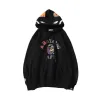
The Bape hoodie quickly became a signature item for the brand. The introduction of the shark hoodie, with its full-zip design featuring a shark face across the hood, set a new standard in streetwear innovation. These hoodies were not just clothing but wearable art, combining creative design with high-quality production.
Early Expansion and Introduction to the USA
Bape’s initial popularity was concentrated in Japan, but by the late 1990s and early 2000s, the brand began to captivate international audiences, especially in the USA. The urban fashion scene in America was exploding with new influences from hip-hop, skate culture, and global streetwear trends.
Boutiques in major cities like New York and Los Angeles started carrying Bape hoodies, introducing the brand to American streetwear enthusiasts. The hoodies’ distinct design and limited availability quickly made them highly desirable.
The Role of Hip-Hop and Celebrity Endorsements
One of the most significant factors behind the rising popularity of Bape hoodies in the USA was their adoption by hip-hop artists. Celebrities such as Pharrell Williams, Kanye West, Jay-Z, and later ASAP Rocky were frequently seen wearing Bape hoodies, often in music videos, concerts, and public appearances.
These endorsements elevated Bape hoodies from niche streetwear items to symbols of status and style within American urban culture. The association with influential musicians helped build a loyal fanbase eager to emulate their idols’ fashion choices.
Limited Edition Drops and Hype Culture
Bape’s marketing strategy of limited edition releases and exclusive drops created hype around its hoodies. The scarcity of these items generated excitement and urgency among consumers, fostering a culture of “drop hunting” that spread rapidly across the USA.
This approach not only increased demand but also contributed to the rise of a lucrative resale market. Bape hoodies often sold out quickly at retail and later appeared on secondary markets at significantly marked-up prices, fueling their reputation as coveted collectibles.
Key Design Elements That Captivated USA Consumers
Bape hoodies are known for https://comedesgarcon.com/ several iconic design features that resonated with American consumers:
- Shark Hoodie: The full-zip hoodie with a shark face across the hood is arguably Bape’s most famous design.
- Camouflage Patterns: The unique Bape camo, often in vibrant colors, set it apart from traditional camouflage.
- Ape Head Logo: The instantly recognizable ape head emblem became a symbol of authenticity and streetwear credibility.
- Bold Graphics and Lettering: The use of vibrant, eye-catching graphics and typography made each hoodie a statement piece.
These elements combined to create hoodies that were not only fashionable but also instantly recognizable.
The Growth of Streetwear Culture in the USA
The rise of Bape hoodies coincided with the growth of streetwear culture in the USA. Streetwear evolved from underground subcultures into mainstream fashion, influenced by skateboarding, hip-hop, and sneaker cultures.
Bape hoodies fit perfectly into this cultural shift, offering a blend of exclusivity, artistic design, and connection to music and urban life. The brand’s identity aligned with the values of self-expression, creativity, and community that define streetwear culture.
Resale Market and Collectability
The limited availability of Bape hoodies in the USA contributed to a thriving resale market. Platforms like StockX, Grailed, and GOAT became popular destinations for fans hunting rare Bape hoodies.
Collectors viewed Bape hoodies not only as fashion items but also as investments, with certain releases appreciating significantly over time. This resale culture further reinforced the hoodies’ status as must-have pieces in American streetwear.
Recent Developments and Continued Popularity
Bape hoodies continue to enjoy popularity in the USA, driven by ongoing collaborations with brands such as Adidas, Supreme, and Nike. These partnerships introduce fresh designs that blend Bape’s signature style with other fashion icons, keeping the brand relevant.
Social media platforms have also played a crucial role in maintaining Bape’s visibility, allowing fans to share https://vlonehodie.com/ styling ideas and hype new releases in real time.
Conclusion
The history of Bape hoodies is a story of innovation, cultural fusion, and strategic marketing. From their origins in Tokyo’s vibrant streetwear scene to their rise as symbols of American urban fashion, Bape hoodies have carved out a unique place in global streetwear culture.
Their popularity in the USA is a testament to the power of design, exclusivity, and celebrity influence in shaping fashion trends. As they continue to evolve with new collaborations and cultural shifts, Bape hoodies remain enduring icons of style and self-expression in American urban fashion.